
Conductor Review 2026: Conductor vs Cloudroom After Hands-On Testing
I tested Conductor (conductor.build) hands-on. Here is what the $50 per month cloud plan does well, where it falls short, and how Cloudroom differs.
Conductor (conductor.build) is a macOS desktop app that runs Claude Code, Codex, Cursor and OpenCode in parallel, with one workspace per task. It launched Conductor Cloud on July 30, 2026, and cloud workspaces need the Pro plan at $50 per month. Cloudroom is a free, open-source desktop app for Mac and Linux that runs Claude Code, Codex and Pi Agent on your computer or in a cloud sandbox with its own Git branch. It is invite-only for now, with a waitlist. I work on Cloudroom, so weigh that as you read.
TL;DR
- Conductor wins on the app and on team sharing, with a strong file tree, editor and multiplayer.
- Conductor Cloud needs Pro at $50/mo, with no cheaper plan for cloud workspaces.
- Cloudroom wins on moving running work between Mac and cloud and on project layout, since Teleport moves a whole thread and the sidebar groups threads by project.
- Conductor's gaps: no cloud agents outside a repository, and awkward model switching.
What is Conductor (conductor.build)?
Conductor (conductor.build) is not Netflix Conductor, the workflow engine. It is a macOS desktop app that runs Claude Code, Codex, Cursor and OpenCode in parallel, one workspace per task. It uses your own subscriptions and keys. Conductor Cloud launched on July 30, 2026, and the iOS app shipped on October 2, 2026.
How much does Conductor cost in 2026?
Free costs $0 for local workspaces on your Mac. Pro costs $50 per month and adds Conductor Cloud, multiplayer for up to 5 Pro users, the API and the mobile app. Teams is $60 per user per month, and Enterprise is custom. The pricing FAQ says "Cloud workspaces are available to users on Pro, Teams, or Enterprise plans." Free is enough for local-only work.
How does Conductor compare with Cloudroom?
Cloudroom is free and open source, with an Apache 2.0 core on GitHub. Conductor is proprietary, and its cloud tier starts at $50 per month. The table compares the points that changed my view.
| Conductor | Cloudroom | |
|---|---|---|
| Price | Free $0 local. Pro $50/mo cloud. Teams $60/user/mo | Free, open source |
| Access | Free download. Cloud needs Pro | Invite-only, waitlist |
| Platform | macOS, iOS | Mac, Linux |
| Agents | Claude Code, Codex, Cursor, OpenCode | Claude Code, Codex, Pi Agent. Cursor CLI in testing |
| Sandbox | Vercel, us-east-1, 8 CPU, 16 GB, Amazon Linux | One sandbox per thread, own Git branch |
| Move work | SSH or file sync | Teleport, both ways |
| Sharing | Org-wide | None today |
| Layout | One section, split manually | Grouped by project |
| Reference a chat | No | @thread |
| Automations | Yes | Cron or one-time |
Conductor cells come from Conductor's pricing and docs pages or my own testing, on 2026-10-03. Cloudroom cells come from Cloudroom's docs.
How does Conductor Cloud work?
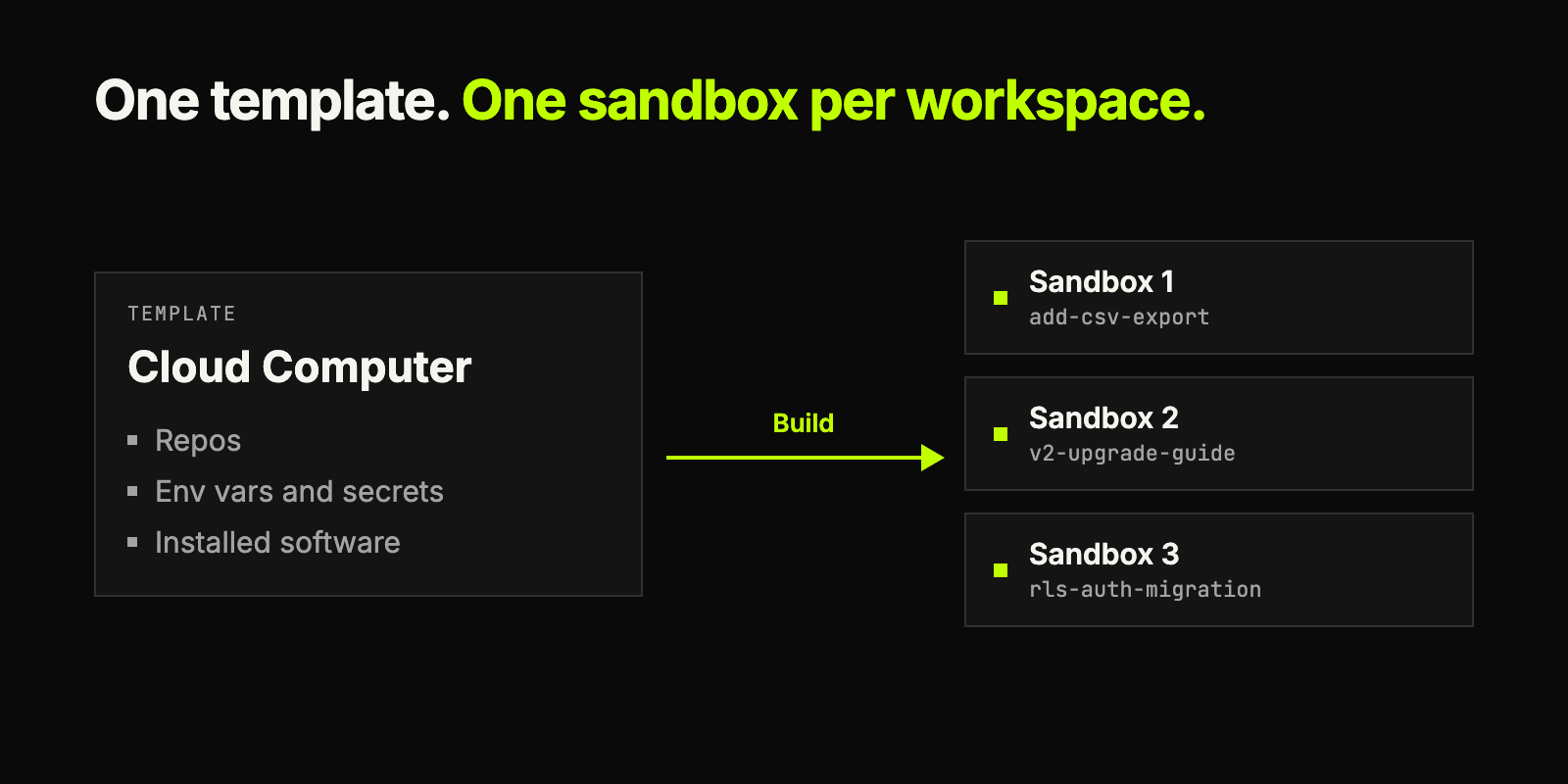
The docs describe a "Cloud Computer" and a "Cloud workspace". The Cloud Computer is the organization's shared environment, with repos, env vars, secrets and installed software. A Cloud workspace is an isolated sandbox for one repository and one branch, built from it.
I checked this myself. The agent said it ran in "a Vercel sandbox running Amazon Linux 2023 on x86_64, with 8 CPUs and 16 GB of RAM", with the repo at /home/vercel-sandbox/<repo>. Vercel is a good provider.

Onboarding wording confused me. It says "setting up cloud machine", which made me think all agents share one VM. They do not. Each agent gets its own sandbox, and the Cloud Computer is only the template.
Where does Conductor do well?
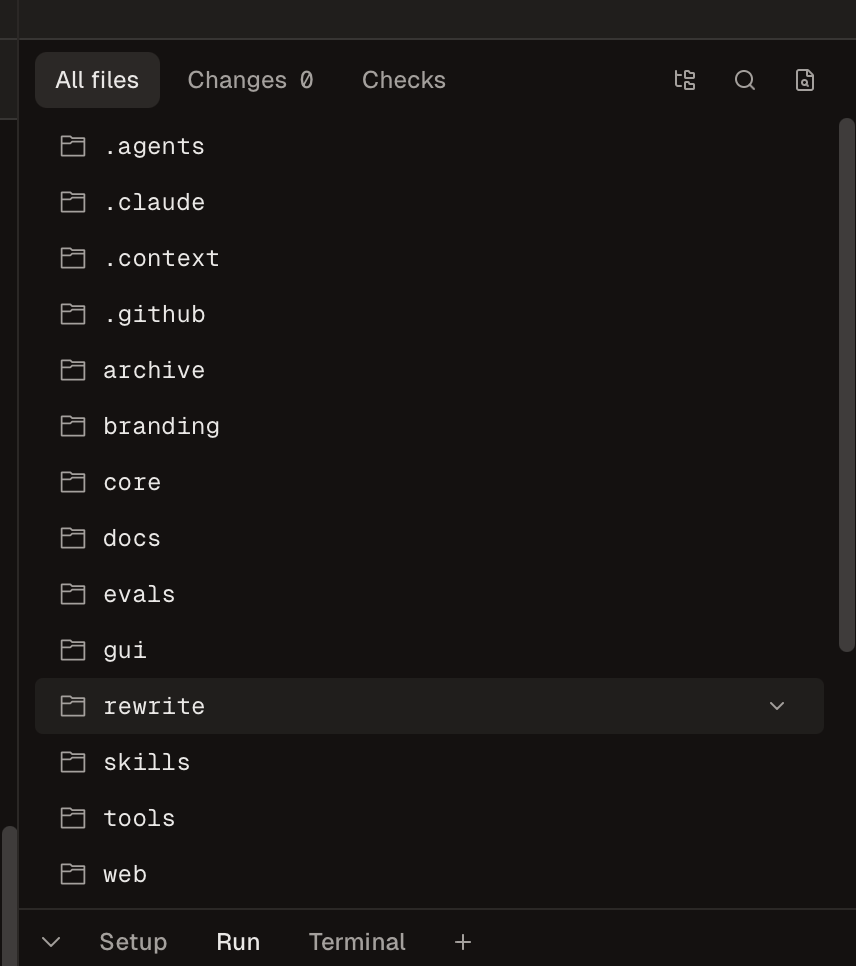
Several parts of Conductor are genuinely good. The file tree sits on the right with All files, Changes and Checks tabs, and the bottom bar has Setup, Run and Terminal tabs. I could open code, .md and .html files and edit them fast, and the app feels responsive.
The checkout was smooth, and cloud workspaces start fast. A workspace loaded in about 3 to 4 seconds, on par with Cloudroom. I did not time it. The docs say "Sandboxes spin up in seconds", and that matches.
Chat sharing and multiplayer are real, and "Reassign to" hands work off. Conductor also has automations that seem to work like Cloudroom's, though the docs and changelog do not mention them. The product is mature, with an API and Sign in with ChatGPT.
What went wrong when I tested Conductor?
Cloud Computer setup is agent-driven, not programmatic. Onboarding pre-fills a prompt: "Set up this computer for development. Check that you can run tests and applications in all the repos." I don't like this default. It uses tokens and can miss steps a script would not. The docs say setup scripts exist underneath. I did not check whether you can write them yourself and skip the agent.

Model handling is the weakest part for me. My local preferences did not carry over, and the cloud showed Grok 4.6 High by default, a model I could not use, because I had not connected a Cursor subscription. Switching means favoriting a model in settings first, with no slash commands for it. On Claude the default was Fable 5.1, which in my experience is less economical and less capable than Opus 5.5.
You cannot launch a cloud agent outside a repository. Every cloud agent needs a repo, because a cloud workspace is "an isolated sandbox for one repository and branch".
Time to the agent's first response felt slightly longer than in Cloudroom. I suspect this comes from the architecture. Cloudroom starts the agent before all the files reach the sandbox, because on most tasks the agent can start working without them.
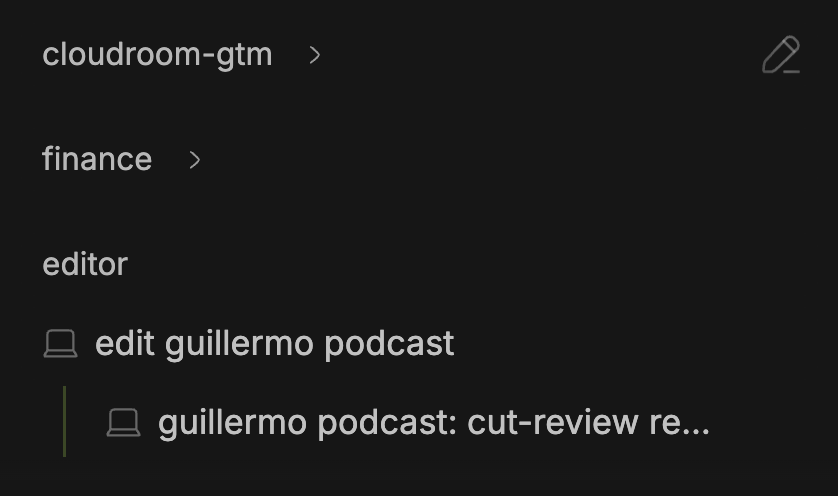
The sidebar does not group workspaces by project. Everything goes into one section that you split yourself. Cloudroom groups threads under each project.
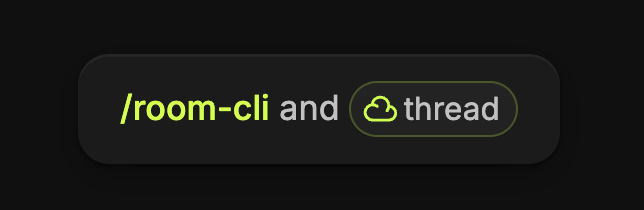
There is no way to tag another chat or workspace from a prompt. In Cloudroom I can mention another thread with @thread. There is no UI for tagging a skill either. In Conductor, a skill like /anti-sleep stays plain text. In Cloudroom, a skill and a thread both show up as tags in the prompt.

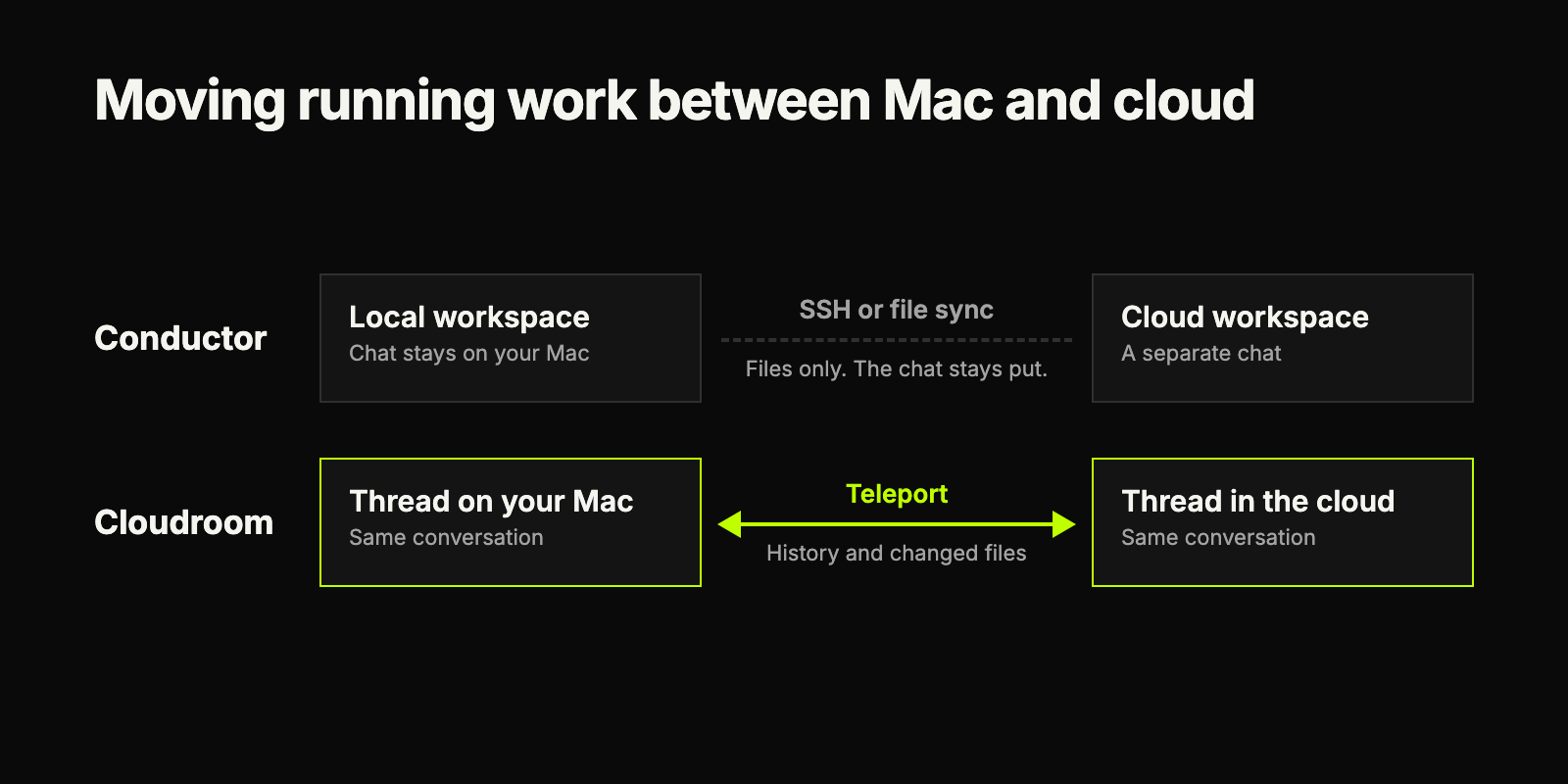
You cannot move a running chat between cloud and local. The docs only offer access to a cloud workspace "through SSH or file sync". In Cloudroom, Teleport moves a running thread between my Mac and the cloud.
How do Cloudroom cloud threads work?
Cloudroom runs each cloud thread in its own cloud sandbox. The harnesses are Claude Code, Codex and Pi Agent, locally and in the cloud, with Cursor CLI in testing. Each harness signs in with your own account and calls its provider directly, with no token billing. Teleport to Cloud sends history and files to a sandbox, and Teleport to Local brings the session and changed files back. Cloud threads can also reach your Mac when you turn on "Let cloud agents access this computer", so the agent can pull any file it needs. Conductor's cloud agents can reach your Mac too. Its cloud docs page does not mention this, but I tested it myself and it works. Automations run on a cron schedule or once.
Cloudroom is invite-only for now. You join the waitlist and get an invite code. There is no thread sharing or team features today. The upside of a small user group is that you talk to the founder directly and have a real say in what gets built next.
Which should you pick, Conductor or Cloudroom?
Pick Conductor if you are on a Mac, work with a team, and want shared chats, multiplayer and a polished editor. Cloudroom has nothing like its collaboration today.
Pick Cloudroom if you want a free open-source app, your own accounts, one sidebar for every project, and Teleport between Mac and cloud. You also get direct access to the founder and a say in how the product turns out. Cloudroom is invite-only, so join the waitlist first.
The short version
Conductor is a mature macOS app with a good file tree, fast editing, smooth checkout, fast workspace start and real team features. Its cloud tier starts at $50 per month, needs a repository for every cloud agent, and makes model switching awkward. Cloudroom is free, open source and invite-only, with a waitlist. I work on Cloudroom, so weigh that as you read.
You can join the Cloudroom waitlist, read Claude Code vs Codex or see how cloud coding agents compare.
Sources: Every Conductor claim in this article comes from Conductor's own pricing and docs pages checked on 2026-10-03, or from first-hand testing on the same date.
A FEW DETAILS
Questions, answered.
Is Conductor (conductor.build) the same as Netflix Conductor?
No. Netflix Conductor is a workflow engine. Conductor (conductor.build) is a macOS desktop app for coding agents.
Does Conductor have a free plan?
Yes. Free costs $0 and runs agents in local workspaces on your Mac. It excludes cloud workspaces, which the pricing FAQ limits to Pro, Teams and Enterprise.
Can Conductor move a running chat between local and cloud?
No. Conductor's docs only offer cloud access "through SSH or file sync". Cloudroom's Teleport moves a running thread both ways and keeps the conversation.
Can Conductor run a cloud agent without a repository?
No. Every Conductor cloud workspace is "an isolated sandbox for one repository and branch". I found no way to run a cloud agent for research, writing or scripts.